
Introduction
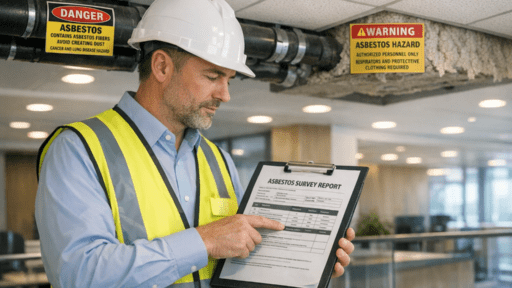
Picture this: You’re standing in a massive warehouse, staring up at a popcorn ceiling that spans thousands of square feet. The client wants to know if it contains asbestos, and they need answers fast. Your heart races as you realize this isn’t a small residential job—it’s a commercial property nightmare waiting to happen. 😰
I’ve been there. And let me tell you, the difference between a successful asbestos survey and a costly mistake often comes down to one thing: knowing how many samples to collect.
That’s where the 3-5-7 rule enters the picture. This standardized sampling protocol has saved countless property managers from legal headaches and health risks. But here’s the kicker—most people don’t fully understand how it works or why it matters.
In this comprehensive guide, I’ll walk you through everything you need to know about the 3-5-7 rule for asbestos sampling. Whether you’re a seasoned professional or a property owner trying to navigate the world of suspected friable asbestos-containing surfacing materials, this article will give you the confidence to make informed decisions.
Let’s dive in! 🏊♂️
What Exactly Is the 3-5-7 Rule?
The 3-5-7 rule is like the Goldilocks of asbestos sampling—not too few samples, not too many, but just right. It’s a standardized sampling protocol designed to determine the minimum number of bulk samples required when testing a homogeneous area of suspected friable asbestos-containing surfacing materials.
Breaking Down the Numbers
Let me explain this simply:
- 3 samples: Required for homogeneous areas up to 1,000 square feet
- 5 samples: Required for areas between 1,000 and 5,000 square feet
- 7 samples: Required for areas larger than 5,000 square feet
But wait—what makes an area “homogeneous”? Think of it like buying paint. You wouldn’t mix matte and glossy finishes and call them the same. Similarly, a homogeneous area in asbestos testing means surfaces that are uniform in colour, texture, and appearance.
A Real-World Example
Last month, I consulted for a school district facing renovations. They had identical-looking acoustic ceiling tiles across three classrooms. Each room was roughly 800 square feet. The 3-5-7 rule told us exactly what to do:
- Classroom A (800 sq ft, same texture): 3 samples
- Classroom B (800 sq ft, same texture): 3 samples
- Classroom C (800 sq ft, same texture): 3 samples
Simple, right? But here’s where it gets interesting—and where many people mess up.
Why the 3-5-7 Rule Matters for Safety
Let’s get real for a moment. Asbestos isn’t something to play around with. The 3-5-7 rule isn’t just bureaucratic red tape—it’s a life-saving protocol.
The False Negative Nightmare
Imagine testing only one spot in a 10,000-square-foot ceiling. That single sample comes back negative. You breathe a sigh of relief, renovations proceed, and workers start cutting into the ceiling. But two months later, someone gets sick. Turns out, there was a patch of asbestos right where you didn’t test.
This scenario happens more often than you’d think. The 3-5-7 rule minimizes this risk by ensuring sampling is statistically representative of the entire material.
Uneven Fiber Distribution
Here’s something fascinating about asbestos-containing materials: the fibers aren’t distributed evenly. Think of it like chocolate chips in cookie dough—some bites have more chips than others. In suspected friable asbestos-containing surfacing materials like popcorn ceilings or acoustic plasters, asbestos fibers can cluster in unpredictable ways.
By following the 3-5-7 rule, you’re compensating for this uneven distribution. More samples mean higher accuracy in determining whether an area truly contains asbestos.
The History Behind This Sampling Protocol
You might be wondering, “Where did this rule come from anyway?” Great question! The 3-5-7 rule originated under the United States Environmental Protection Agency’s (EPA) Asbestos Hazard Emergency Response Act (AHERA) .
From US Regulation to International Best Practice
AHERA was primarily designed for schools, but the logic behind the 3-5-7 rule was so sound that it quickly spread. Today, it’s widely adopted as international best practice for assessing friable materials.
What’s interesting is how this statistical guideline evolved. Researchers found that one or two samples simply couldn’t capture the variability in asbestos distribution across large surfaces. The numbers 3, 5, and 7 weren’t pulled out of thin air—they’re based on statistical confidence intervals that ensure a 95% or higher probability of detecting asbestos if it’s present.
Why These Specific Numbers?
Without getting too technical, here’s the simple explanation:
- 3 samples provide adequate representation for small, uniform areas
- 5 samples increase confidence for medium-sized spaces
- 7 samples ensure comprehensive coverage for large areas
Think of it like taking a poll. Would you trust election results based on interviewing three people? Probably not. The same principle applies here.
Applying the 3-5-7 Rule to Different Surface Types
Now let’s get practical. Different surfaces require different approaches, even within the 3-5-7 framework.
Popcorn Ceilings and Acoustic Plasters
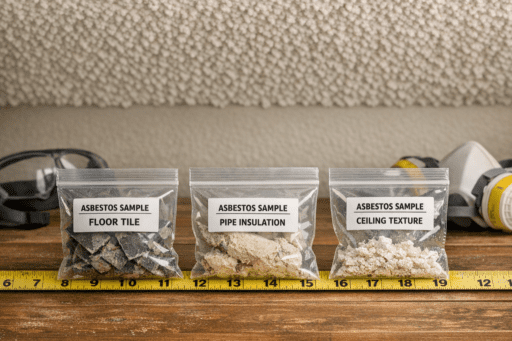
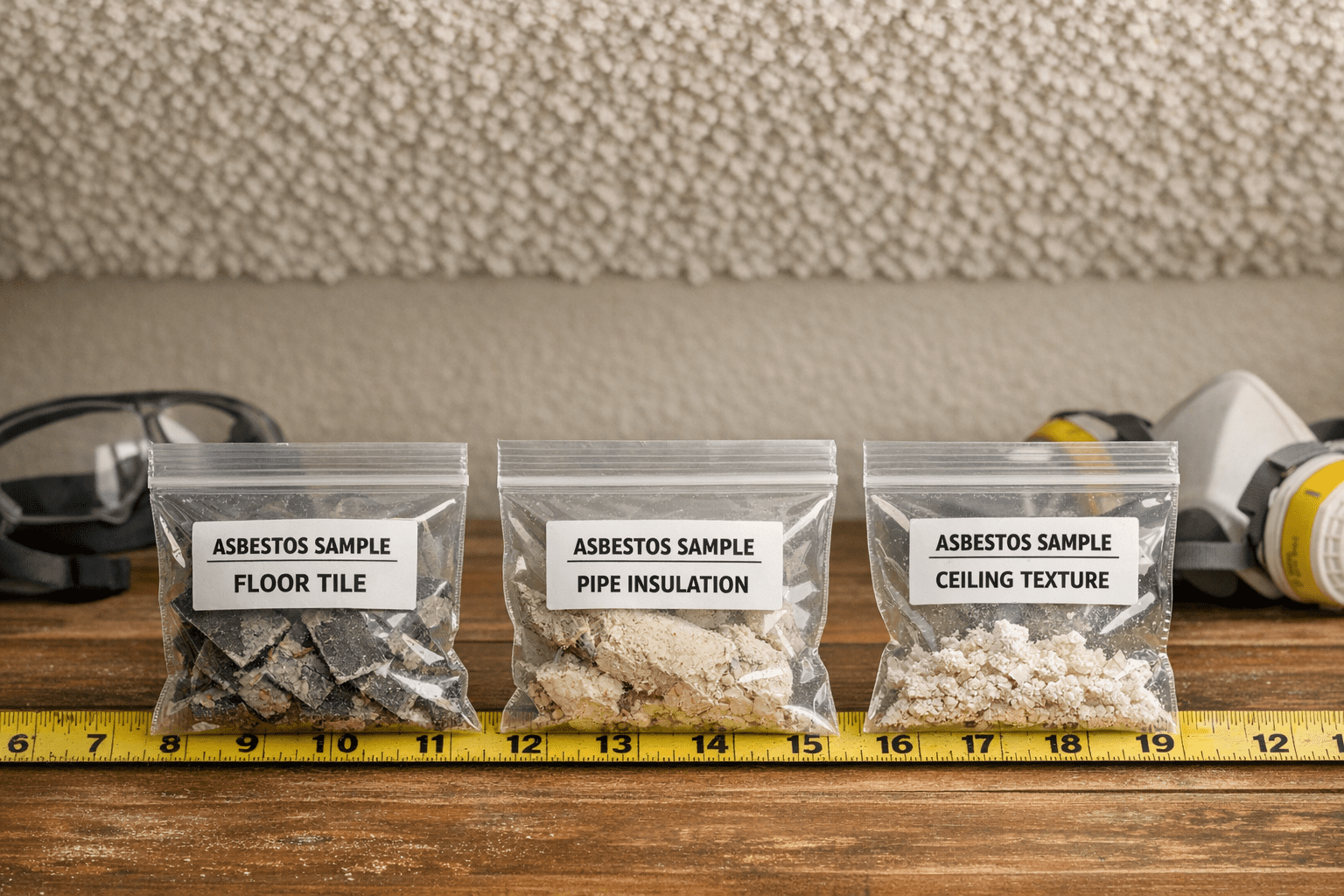
Popcorn ceilings are notorious for containing asbestos—they were popular from the 1950s through the 1980s. When testing these, the 3-5-7 rule applies directly to the homogeneous area of the ceiling surface.
Pro tip: If you have multiple rooms with identical popcorn texture, treat each room as its own homogeneous area. Don’t try to combine rooms to save on sampling costs. It’s not worth the risk!
Fireproofing Materials
Sprayed-on fireproofing is another common culprit. These materials were applied to structural steel in commercial buildings. The 3-5-7 rule works well here too, but with an important caveat:
- Consider layers of fireproofing separately
- Test each distinct layer as its own homogeneous area
- Document the depth of each sample
Floor Tiles and Sheet Flooring
Flooring can be tricky because you often have multiple layers. The 3-5-7 rule applies to each homogeneous layer separately. For example, if you have vinyl tiles over a mastic (adhesive) layer over concrete, each of those layers might need separate testing.
UK Regulations vs. US Standards
Here’s where things get interesting for my international readers. While the 3-5-7 rule originated in the US, the UK has its own framework under the Control of Asbestos Regulations 2012 (CAR 2012) .
What CAR 2012 Requires
In the UK, if you’re conducting an asbestos survey or managing commercial properties, you must comply with the Health and Safety Executive (HSE) Guide on Asbestos. The key difference? UK regulations require sampling to be undertaken by competent persons accredited by the United Kingdom Accreditation Service (UKAS) .
These professionals will determine the exact number of samples needed based on:
- The specific condition of the building materials
- The size of the area
- The risk assessment findings
Practical Differences
While the 3-5-7 rule provides a solid framework, UK assessors might take a slightly different approach. They consider factors like:
- Historical use of the building
- Previous renovation activities
- Accessibility of materials for sampling
However, the core principle remains the same: sample enough to be confident in your results.
Common Mistakes to Avoid
I’ve seen too many people mess this up, so let me save you some headaches!
Mistake #1: Combining Different Areas
Just because two rooms look similar doesn’t mean they’re the same homogeneous area. Different construction dates, different contractors, different material batches—all these can affect asbestos content.
Mistake #2: Sampling Too Few Locations
Don’t let cost-cutting compromise safety. I’ve seen property managers try to test a 6,000-square-foot area with only three samples. That’s a recipe for disaster!
Mistake #3: Ignoring Material Condition
The 3-5-7 rule assumes the material is friable (easily crumbled). If the material is in good condition and non-friable, different sampling protocols might apply.
Mistake #4: Poor Sample Documentation
Always document:
- Exact location of each sample
- Depth of sampling
- Condition of material
- Date and time of collection
This documentation is crucial for legal and health purposes.
Step-by-Step Sampling Process
Follow this checklist to ensure you’re doing it right:
- Identify homogeneous areas based on colour, texture, and appearance
- Measure the square footage of each area accurately
- Apply the 3-5-7 rule:
- ≤ 1,000 sq ft: 3 samples
- 1,000–5,000 sq ft: 5 samples
- 5,000 sq ft: 7 samples
- Select random sampling locations within each area
- Collect samples properly using appropriate PPE
- Document everything for chain of custody
- Send to accredited laboratory for analysis
A Sample Distribution Strategy
For maximum accuracy, distribute your samples this way:
- ✅ Spread samples across the entire area
- ✅ Include edges and corners
- ✅ Sample near vents or areas of disturbance
- ❌ Don’t cluster samples in one spot
- ❌ Don’t skip difficult-to-reach areas
When to Deviate from the Rule
While the 3-5-7 rule is your baseline, sometimes you need more samples.
Highly Variable Materials
If the material shows significant variation in colour or texture within what should be a homogeneous area, increase your sample count. Trust your professional judgment.
Previous Positive Tests Nearby
If you’ve found asbestos in adjacent areas, it’s wise to increase sampling density. Asbestos doesn’t respect property lines!
Historical Building Renovations
Buildings with extensive renovation history might have multiple layers of materials. Each distinct layer requires its own sampling protocol based on the 3-5-7 rule.
Example Scenario
A 1970s office building has acoustic ceiling tiles throughout the first floor (12,000 sq ft). The tiles appear uniform. According to the 3-5-7 rule, you need 7 samples. But you notice some tiles near the windows look slightly different—potential water damage or replacement tiles. In this case, treat those as a separate homogeneous area requiring its own 3 samples.
The Cost-Benefit Analysis
I know what you’re thinking: “More samples mean more money!” That’s true, but let’s crunch the numbers.
What’s the Cost of Getting It Wrong?
| Scenario | Cost of Sampling | Potential Cost of Error |
|---|---|---|
| Inadequate sampling | 500–1,000 | $50,000+ in legal damages |
| Proper 3-5-7 sampling | 1,500–3,000 | Minimal risk |
| Over-sampling | $4,000+ | Unnecessary expense |
The Hidden Costs of False Negatives
If you miss asbestos due to inadequate sampling, you’re looking at:
- Worker compensation claims
- Legal fees and settlements
- Extensive remediation costs
- Reputation damage
- Potential regulatory fines
Suddenly, those extra few samples seem like a bargain, don’t they? 😅
Conclusion
The 3-5-7 rule isn’t just a number—it’s your safety net in the complex world of asbestos management. Whether you’re dealing with popcorn ceilings, acoustic plasters, or fireproofing materials, this standardized sampling protocol ensures you’re making informed decisions based on statistically sound data.
Remember: three samples for areas up to 1,000 square feet, five samples for areas between 1,000 and 5,000 square feet, and seven samples for anything larger. This isn’t arbitrary—it’s based on decades of research and practical experience.
By following this rule, you’re not just complying with regulations—you’re protecting lives. And isn’t that what matters most?
As you move forward with your asbestos testing, keep this guide handy. Print it out, bookmark it, share it with your team. The 3-5-7 rule will never steer you wrong when applied correctly.
Now go forth and sample with confidence! 🎯
FAQ Section
Q1: Can I use fewer than 3 samples for very small areas?
No! Even for areas under 100 square feet, the minimum is 3 samples per homogeneous area. This ensures statistical reliability.
Q2: What if my area is exactly 1,000 square feet?
Use 3 samples. The 5-sample threshold starts at areas greater than 1,000 square feet.
Q3: Do I need to sample every room separately if they look identical?
Yes! Treat each room as its own homogeneous area unless you can prove they were constructed at the same time with identical materials.
Q4: How do I know if a material is friable?
Friable materials can be crumbled, pulverized, or reduced to powder by hand pressure. Popcorn ceilings and spray-on fireproofing are common examples.
Q5: Can I skip sampling if the material looks modern?
No! Always sample. Modern materials can sometimes contain asbestos, especially in renovations where old materials were reused.
Disclaimer: This content is for informational purposes only. Always consult a licensed asbestos professional for surveys, removal, or compliance with local regulations.