
Why Understanding Your Legal Obligations Matters More Than You Think
Let me start with a confession. Before I dug into this topic, I thought asbestos was something that only affected old factories and abandoned warehouses. I couldn’t have been more wrong. 😅 The truth is, asbestos-containing materials (ACMs) are hiding in millions of buildings across the UK, and if you’re responsible for a property, you have a legal duty to manage them properly.
I’m going to walk you through everything you need to know about the duty to manage asbestos in buildings—from who’s responsible to what you actually need to do. By the end of this guide, you’ll have a clear roadmap for compliance, and more importantly, you’ll understand how to protect people from one of the most dangerous workplace hazards out there.
Let’s get started. No jargon, no fluff, just practical, actionable advice.
What Exactly Is the Duty to Manage Asbestos?
The duty to manage asbestos is a legal requirement under the Control of Asbestos Regulations. It applies to all non-domestic premises, including offices, factories, schools, hospitals, and shops. It also covers common areas of multi-occupancy domestic buildings, like the hallways, stairwells, and boiler rooms in purpose-built flats.
Think of it this way: if someone could potentially be exposed to asbestos fibres while inside or using a building you’re responsible for, you need to have a plan in place. The law isn’t just about ticking boxes—it’s about preventing serious lung diseases like mesothelioma, asbestosis, and lung cancer.
The duty requires you to:
- Find out if asbestos is present
- Assess the condition of any ACMs
- Create a written management plan
- Share information with anyone who might disturb the materials
This isn’t optional. It’s the law, and failing to comply can result in hefty fines or even prison time. But more importantly, getting it right saves lives.
Who Is the Dutyholder? (Hint: It Might Be You)
This is where things get personal. The dutyholder can be several different people or organisations, depending on the building’s ownership and management structure.
Typically, the dutyholder is:
- The building owner
- The landlord for the premises
- The person or organisation with clear responsibility for the building’s maintenance or repair
Here’s a real-life example that might sound familiar. Imagine you own a small office building that you lease to three different businesses. You’re the building owner, so you’re the dutyholder. Even though your tenants occupy the space, you’re responsible for managing any asbestos in the shared areas and the structure itself.
But wait—what if you hire a property management company? Good question. In most cases, the contract will specify who takes on the duty. However, here’s the kicker: you can’t fully delegate your responsibility. If something goes wrong, the authorities will still come looking for you.
The key takeaway? Know your building, know your responsibilities, and make sure you have competent people handling the day-to-day management.
What Buildings Are Covered Under the Duty?
This isn’t just about factories and warehouses. The duty covers a surprisingly wide range of buildings.
Non-Domestic Premises
These include:
- Offices and commercial spaces
- Shops and retail units
- Schools and universities
- Hospitals and healthcare facilities
- Industrial buildings and factories
- Places of worship
- Public buildings like libraries and museums
Common Parts of Domestic Buildings
If you live in a block of flats, the common areas are covered. This includes:
- Hallways and corridors
- Stairwells and lifts
- Boiler rooms and plant rooms
- Roof spaces and lofts
- Garages and storage areas shared between residents
When Does It Not Apply?
The duty doesn’t apply to individual private homes or flats. If you own a house, you’re not a dutyholder under these regulations. However, if you rent out a property, you have separate responsibilities under housing law.
A quick note: even if a building was constructed after 2000 (when asbestos was banned in the UK), it’s still worth checking. Some materials manufactured before the ban may have been used in later construction projects.
The 7 Key Requirements You Can’t Ignore
Let’s break down exactly what the duty to manage asbestos requires. I’ve organised these into a logical sequence you can follow.
1. Assess Whether Asbestos Is Present
You need to determine if there are any ACMs in your building. This means figuring out what materials are present, where they’re located, how much there is, and what condition they’re in. This is typically done through a combination of building records, visual inspections, and formal asbestos surveys.
2. Presume Materials Contain Asbestos
Unless you have strong evidence that a material doesn’t contain asbestos, you must presume it does. This might sound overly cautious, but it’s the safest approach. The consequences of being wrong are far too serious to take chances.
3. Create and Maintain a Register
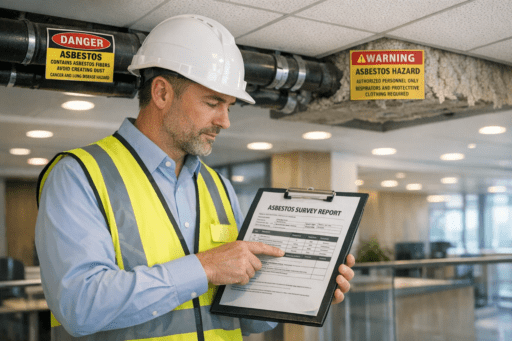
You need a written record—an asbestos register—that documents the location and condition of all ACMs or presumed ACMs. This isn’t a one-and-done document. You must keep it up to date as you discover new information or as conditions change.
4. Assess the Risk of Exposure
This is about understanding how likely it is that someone could be exposed to airborne asbestos fibres. Factors include the material’s condition, its location, and how easily it could be disturbed. A damaged pipe lagging in a busy corridor presents a much higher risk than an intact floor tile in a locked storage room.
5. Write an Asbestos Management Plan
Your management plan is your roadmap for controlling risks. It needs to be written down, put into action, monitored regularly, and reviewed at least once every 12 months. If you carry out refurbishment work or discover new damage, review it sooner.
6. Monitor the Condition of ACMs
You can’t just write a plan and forget about it. Regular inspections are essential. Look for signs of damage, deterioration, or disturbance. If you find problems, act immediately.
7. Provide Information to Others
Anyone who might work on or disturb asbestos needs to know about it. This includes your employees, contractors, and even the emergency services. Firefighters, for example, need to know where asbestos is located so they can take appropriate precautions.
Why Competence and Training Matter More Than You’d Expect
Here’s something many dutyholders get wrong. They think hiring a surveyor or an asbestos removal company means their job is done. Not quite.
The person responsible for managing asbestos within your organisation must be competent. Competence means having the right resources, skills, training, and authority to get the job done effectively.
Let me give you an example. Sarah runs a medium-sized facilities management company. She appointed her junior maintenance assistant to handle the asbestos register and management plan, thinking it was a simple administrative task. When the HSE inspected, they found the register was incomplete and the plan hadn’t been reviewed for 18 months. Sarah’s company faced a significant fine.
The lesson? Choose your responsible person carefully.
For small companies, this is usually the owner. For larger organisations, it might be the health and safety manager, the estates manager, or the facilities manager. Whoever you choose, make sure they have proper training and the authority to make decisions.
The HSE offers guidance on finding suitable training providers. Don’t cut corners here—investing in competence now saves lives and money later.
Common Asbestos-Containing Materials You’ll Encounter
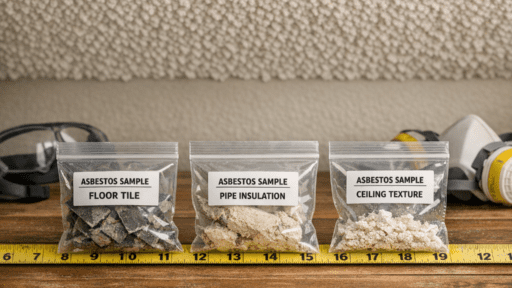
You might be surprised by how many everyday building materials can contain asbestos. Here’s a quick rundown of the most common ACMs found in UK buildings.
Asbestos cement is probably the most common. It’s found in roof sheets, wall cladding, and flue pipes. It’s generally low-risk if left undisturbed.
Insulation lagging was used extensively on pipes, boilers, and ducts. This is high-risk because it’s friable—meaning it can easily release fibres when disturbed.
Sprayed coatings were applied to ceilings, beams, and walls for fire protection and insulation. Like lagging, these are high-risk materials.
Asbestos insulating board (AIB) was used for fire doors, partitions, and ceiling tiles. It’s moderately hazardous and very common in buildings constructed between the 1960s and 1980s.
Floor tiles and vinyl sheeting often contain asbestos. They’re generally low-risk unless you start sanding or cutting them.
Textured coatings like Artex can contain small amounts of asbestos. While the risk is lower, it still needs to be managed properly.
Remember: if you’re unsure about a material, always presume it contains asbestos until you have evidence otherwise.
How to Create an Effective Asbestos Management Plan
Your asbestos management plan is the centrepiece of your compliance efforts. Let me walk you through creating one that actually works.
Step 1: Start with Your Register
Your plan should reference your asbestos register and explain how you’ll keep it up to date. Include details of all known or presumed ACMs.
Step 2: Define Roles and Responsibilities
Who’s doing what? Make it crystal clear. Include the dutyholder’s name, the responsible person, and anyone else involved in managing the risk.
Step 3: Describe Your Monitoring Procedures
How often will you inspect ACMs? What will you look for? Who will carry out the inspections? Write it all down.
Step 4: Outline Emergency Procedures
What happens if someone accidentally disturbs asbestos? Do you have a plan for evacuating the area and arranging clean-up? Include these details.
Step 5: Detail Your Review Process
Your plan must be reviewed every 12 months, or sooner if circumstances change. Explain when and how reviews will happen.
Step 6: Include Information Sharing Protocols
How will you inform workers, contractors, and emergency services about asbestos? Document your communication procedures.
A good management plan isn’t just a document—it’s a living tool that guides your actions. Review it regularly and update it whenever conditions change.
What Happens If You Get It Wrong?
Let me be honest with you. The consequences of failing to manage asbestos properly are serious.
Health Consequences
Exposure to asbestos fibres can cause mesothelioma, lung cancer, and asbestosis. These diseases often take decades to develop, but they’re almost always fatal. Every year, thousands of people in the UK die from asbestos-related diseases.
Legal Consequences
The Health and Safety Executive (HSE) takes asbestos management very seriously. If you fail to comply with the regulations, you could face:
- Unlimited fines
- Prison sentences (up to two years for serious breaches)
- Prohibition notices stopping work on your premises
- Reputational damage that affects your business
Financial Consequences
Beyond fines, there are costs associated with emergency asbestos removal, legal fees, and increased insurance premiums. Prevention is always cheaper than dealing with the aftermath.
I’m not trying to scare you—I’m trying to help you understand why compliance matters. Managing asbestos properly protects people, your reputation, and your bottom line.
Practical Tips for Staying Compliant
Let’s wrap up with some actionable advice that will help you stay on the right side of the law.
Don’t rely on guesswork. Always use qualified asbestos surveyors to assess your building. DIY inspections are not reliable or safe.
Keep your register accessible. Don’t lock it away in a filing cabinet. Store it digitally and make sure everyone who needs it can access it quickly.
Train your team. Even if you have a competent manager, everyone who works in or maintains the building needs basic asbestos awareness training.
Review your plan annually. Put a recurring reminder in your calendar. Make it non-negotiable.
Act on changes immediately. If you discover damaged ACMs or plan refurbishment work, review your management plan straight away.
Use reputable contractors. If you need asbestos removal or encapsulation work, hire licensed professionals. Don’t cut corners to save money.
Remember: the duty to manage asbestos is about protecting people. Do it right, and you’ll sleep better knowing you’ve done everything you can to keep everyone safe.
Frequently Asked Questions
How do I know if I’m the dutyholder for a building?
You’re likely the dutyholder if you own the building, are the landlord, or have a contract to maintain or repair the premises. Check your lease or management agreement to confirm responsibility.
Do I need to remove all asbestos from my building?
No. In many cases, asbestos can be safely managed in place if it’s in good condition and unlikely to be disturbed. Only remove asbestos if it’s damaged, deteriorating, or if you’re planning refurbishment work that will disturb it.
How often should I inspect asbestos-containing materials?
The frequency depends on the material’s condition and location. High-risk materials may need monthly inspections, while low-risk materials in undisturbed areas may only need annual checks. Your management plan should specify the schedule.
Can I manage asbestos myself without hiring a specialist?
You can manage low-risk materials like intact asbestos cement yourself, provided you have the right training. However, for surveys, sampling, and any work that might disturb asbestos, you should always use licensed professionals.
What should I do if I accidentally disturb asbestos?
Stop work immediately, evacuate the area, and prevent anyone from entering. Contact a licensed asbestos removal contractor for advice. You’ll need to arrange air testing and professional clean-up.
Conclusion
Managing asbestos in buildings isn’t just a legal obligation—it’s a moral one. By understanding your responsibilities as a dutyholder and following the steps outlined in this guide, you can protect people from one of the most dangerous workplace hazards in existence.
Remember the key points: assess what’s present, presume materials contain asbestos unless proven otherwise, keep a register, assess risks, write a management plan, monitor regularly, and share information with everyone who needs it.
It might seem overwhelming at first, but take it step by step. Start with a proper survey, appoint a competent person, and build your management plan from there. You don’t need to be an asbestos expert—you just need to take the duty seriously and get the right help when you need it.
Stay safe out there. 😊
Disclaimer: This content is for informational purposes only. Always consult a licensed asbestos professional for surveys, removal, or compliance with local regulations.