
Introduction
I’ll never forget the moment I scraped a fingernail across a ceiling in my first flat and paused. It was that classic swirled, bumpy texture you see everywhere in British homes built between the 1960s and 1980s. A friend joked, “Careful, that might be asbestos.” It was a passing comment, but it lodged in my brain. That question—how do you know if artex has asbestos—is something thousands of UK homeowners and renters ask every year. The short answer is that you can’t tell just by looking. The long answer is what this guide is all about.
Whether you are planning a renovation, dealing with damage, or simply want peace of mind, understanding the risks associated with textured coatings is vital. In this article, I will walk you through the history, the risks, and the practical steps you need to take to keep your home safe. We will look at testing methods, legal obligations, and what to do if you find the “A-word” lurking above your head. It is a serious topic, but knowledge is your best defence.
What Exactly Is Artex and Why Is It Risky?
To understand the risk, we need to know what we are dealing with. “Artex” is actually a brand name that became synonymous with a type of textured decorative finish, much like “Hoover” became a word for vacuuming. It was incredibly popular in the UK from the post-war era up until the late 1990s.
The Asbestos Connection During the manufacturing process, chrysotile asbestos (white asbestos) was often mixed into the coating. It was cheap, added strength, and prevented the material from cracking as it dried. At the time, the health risks were not fully understood—or at least, not widely acknowledged. The asbestos fibres are microscopic and, when bonded within the wet mixture, they are relatively contained. However, the danger arises when the material is disturbed.
When Does It Become Dangerous?
- Sanding: Trying to smooth a ceiling before painting.
- Drilling: Hanging a light fitting or a shelf.
- Breaking: Accidental damage from moving furniture or water leaks.
- Scraping: Renovation work or removing the texture entirely.
When you disturb the coating, you release asbestos fibres into the air. These fibres can be inhaled and lodge in the lungs, leading to serious diseases like mesothelioma and asbestosis decades later. The risk is not in having the material, but in releasing its contents.
How Do You Know If Artex Has Asbestos? The Only Reliable Method
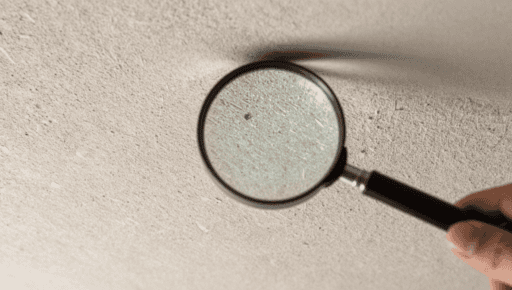
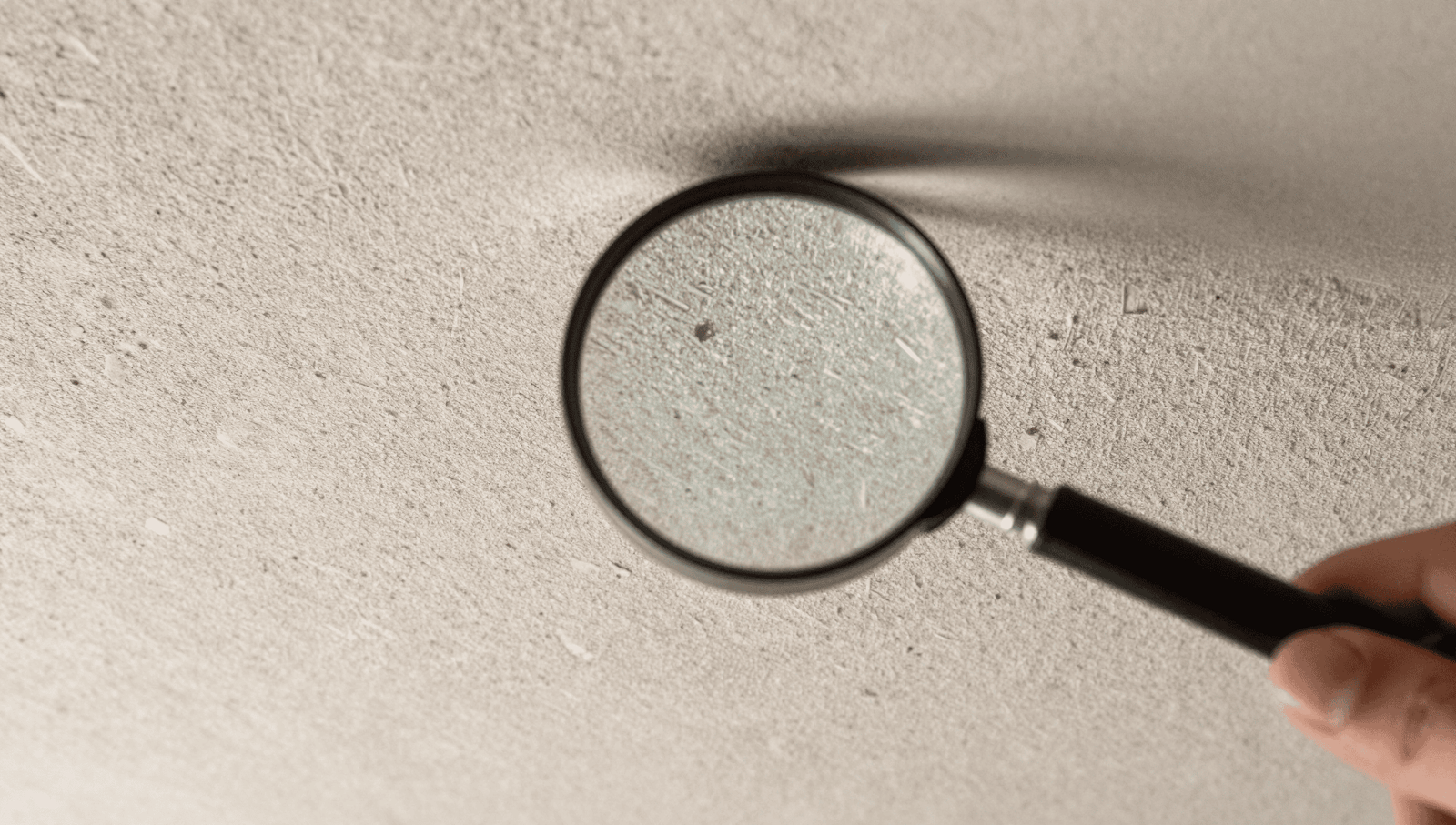
This is the million-dollar question, and I cannot stress this enough: you cannot identify asbestos by sight, smell, or texture alone. A white, swirled pattern could be asbestos-free, while a brown, stippled pattern could be full of it, or vice-versa. The only way to know for certain is through laboratory analysis.
The Testing Process
- Do Not Disturb It: If the material is in good condition, leave it alone. Do not start scraping “just to see.”
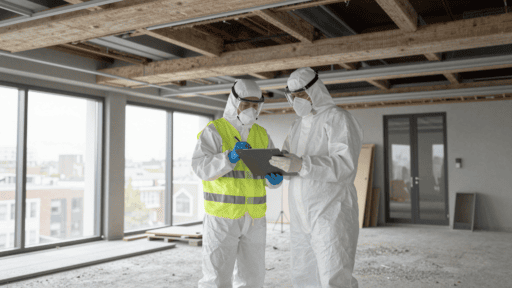
- Hire a Professional: The safest route is to hire a UKAS-accredited surveyor or an asbestos removal company to take a sample. They have the right protective equipment and know how to do it without releasing fibres.
- DIY Sampling (Not Recommended): If you must do it yourself, follow HSE guidelines: wear a P3 disposable respirator, wet the area, use a core sample method (taking a chunk from the full thickness), and seal it in a labelled plastic bag. Send it to a UKAS-accredited laboratory.
- Wait for Results: The lab will use Polarised Light Microscopy (PLM) to identify the type and percentage of asbestos.
Key Takeaway: The answer to “how do you know if artex has asbestos” is always: get it tested. Do not guess. Do not assume.
Age of the Property: A Strong Indicator
While you cannot confirm asbestos without a test, the age of your property is the single biggest clue. If your home was built or renovated between 1960 and 1992, there is a high chance the textured coatings contain asbestos.
| Era | Likelihood of Asbestos in Artex | Notes |
|---|---|---|
| Pre-1960 | Very Low | Textured coatings were not common. |
| 1960–1980 | Very High | Peak use of asbestos in artex. |
| 1980–1992 | Moderate | Use declined as bans were introduced. |
| Post-1999 | Virtually Zero | UK ban on asbestos came into full effect. |
If your home falls into the “Very High” or “Moderate” categories, you should treat any textured coating as suspect until proven otherwise. This is especially true if you do not have documentation or a survey from the builder. When in doubt, assume it contains asbestos and act accordingly.
Pros and Cons of Professional Testing
Getting a professional survey and sample analysis is the gold standard, but it is worth weighing up the benefits against the costs.
Pros:
- Certainty: You get a definitive answer, removing all guesswork.
- Safety: Professionals take samples with minimal fibre release.
- Documentation: You get a certificate, which is vital for insurance, selling your home, or hiring contractors.
- Peace of Mind: You can plan renovations without worry.
Cons:
- Cost: A survey can cost between £200 and £400+. Lab analysis is usually £20–£50 per sample.
- Potential for Disruption: If asbestos is found, you may need to halt work until it is dealt with.
- Emotional Stress: The news that you have asbestos can be worrying, even if the material is safe when left alone.
For me, the certainty is worth every penny. I have seen too many people skip this step, only to discover the problem mid-renovation, leading to costly clean-ups and a lot of anxiety.
What to Do If Your Artex Contains Asbestos
So, the lab results came back positive. Take a deep breath. This is not an emergency. The most important rule is: if it is in good condition, leave it alone.
Your Options:
- Encapsulation: This involves sealing the surface with a special paint or coating that binds the fibres. It is cheaper and less disruptive. The asbestos remains, but it is locked in place.
- Removal: This is the only way to completely eliminate the hazard. However, it is expensive (£20–£50 per square metre is a rough guide), highly disruptive, and must be done by a licensed contractor if the work is extensive.
- Management: If you are not disturbing it, you can simply monitor its condition. Check it periodically for cracks, flaking, or water damage.
A Common Scenario: Imagine you want to hang a new ceiling light. You cannot just drill through artex that contains asbestos. Instead, you would need to hire a specialist to either remove a small section safely or use a specific drilling technique that suppresses dust. This is where the “duty to manage” comes in—you must inform tradespeople of the risk.
UK Regulations and Your Legal Obligations
The UK has some of the strictest asbestos regulations in the world, governed by the Control of Asbestos Regulations 2012.
For Homeowners:
- You do not have a legal “duty to manage” asbestos in your own home.
- However, you have a duty of care to anyone working in your property. If a contractor is injured because you failed to disclose a known or suspected asbestos risk, you could be held liable.
- When selling your home, you must disclose known asbestos issues.
For Landlords and Commercial Property Owners:
- You have a strict legal duty to manage asbestos. This means having an asbestos register, a management plan, and regular inspections.
- Failure to comply can result in unlimited fines or even imprisonment.
The Bottom Line: Even if you are “just” a homeowner, treating asbestos seriously is not just good sense—it is a moral and financial necessity. The stigma of asbestos can also affect your property’s value and saleability.
Frequently Asked Questions
How much does it cost to test artex for asbestos in the UK? A single bulk sample analysis typically costs between £20 and £50. A full asbestos survey of a property can range from £200 to £400 or more, depending on the size of the house and the number of samples taken. It is a worthwhile investment for certainty.
Can I just paint over artex that has asbestos? Yes, painting over artex in good condition is generally considered safe. The paint forms a light seal. However, you must avoid sanding, scraping, or using abrasives on the surface before painting, as this can release fibres. Use a roller, not a sprayer, to avoid creating air pressure that could dislodge particles.
Is it safe to live in a house with asbestos artex ceilings? Yes, provided the material is in good condition and not being disturbed. The asbestos fibres are bonded within the matrix. The danger only arises when the material is damaged, sanded, drilled, or broken, releasing the microscopic fibres into the air.
Do all houses built in the 1970s have asbestos in the artex? Not all, but a very high proportion do. The 1970s was the peak period for asbestos use in textured coatings in the UK. If your house was built or had ceilings done in that decade, you should assume it contains asbestos until a lab test proves otherwise.
Can I remove asbestos artex myself? Technically, yes, for small areas in a domestic property. However, it is strongly discouraged. The Health and Safety Executive (HSE) has strict guidelines, and improper removal can contaminate your entire home. It is almost always safer and more sensible to hire a professional.
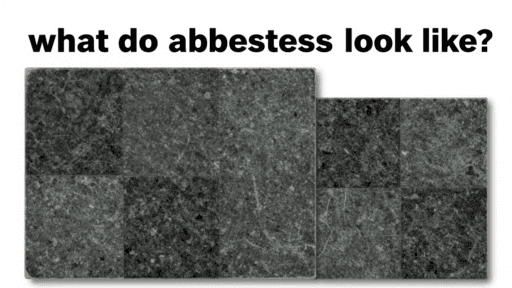
What does asbestos artex look like? It can look like almost any textured coating: swirled, stippled, pebbledashed, or with a bark-like finish. It can be white, cream, brown, or even painted over in any colour. There is no visual way to distinguish asbestos-containing artex from non-asbestos artex.
Conclusion
The question “how do you know if artex has asbestos” has one simple, non-negotiable answer: professional testing. You cannot guess, and you should not risk it. If your home was built before the year 2000, treat any textured coating with suspicion. The risks of exposure are severe, but the risk of having it in your home while it is intact is minimal.
The key takeaways are:
- Age is your first clue. Homes from the 1960s to 1990s are high-risk.
- Testing is the only proof. Hire a UKAS-accredited professional.
- Don’t panic if it’s there. Intact asbestos can be managed safely.
- Always disclose. Tell contractors and buyers about any known or suspected asbestos.
Your home is your sanctuary. Knowing what is in its walls and on its ceilings is a fundamental part of keeping it—and your family—safe for years to come. If in doubt, get it checked. It is the smartest, safest move you can make.